
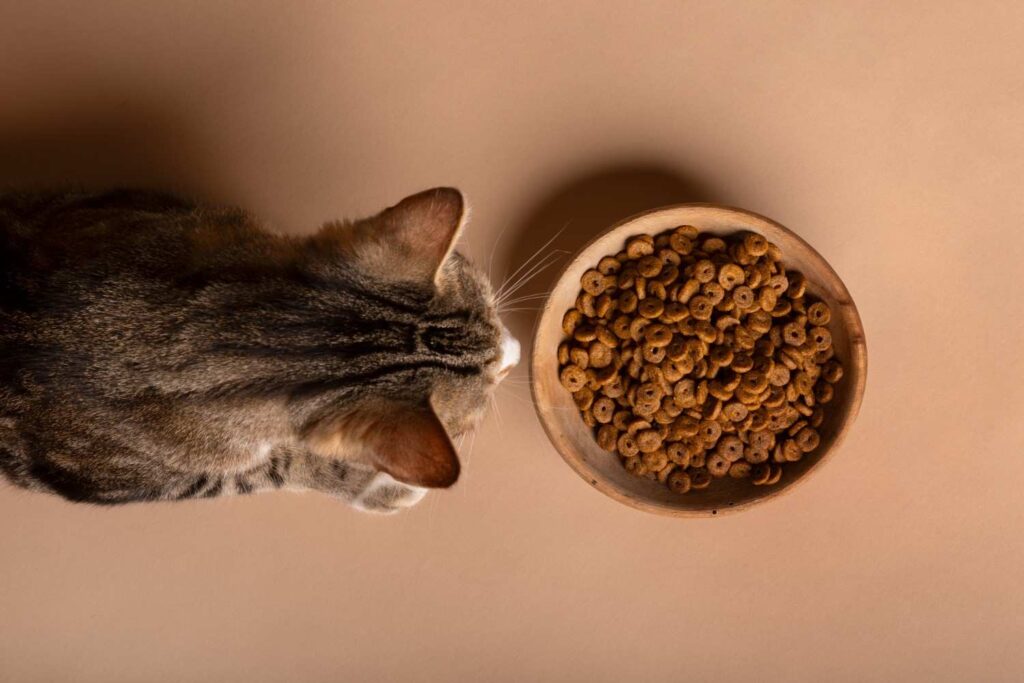
It is easy to be confused by how much and how often you should be feeding your cat, particularly when it comes to wet food. Every cat is different. Some are active and playful. Others sleep most of the day. Some gain weight readily, others stay lean no matter their diet. This is why it’s crucial to know how much wet food to feed your cat, based on your pet’s specific needs. In this guide, we discuss what the right amount of wet food for cats is according to science and experts, and talk about some things that determine the amount of wet cat food cats consume, and how you can make feeding easy and nutritious.
Why Wet Food Is Good for Cats
Wet food is a popular option since it can contribute to hydration. Cats do not naturally consume a lot of water by themselves. In nature, they obtain water from their prey. Wet food works the same way. It is a high-moisture treat and water source that promotes kidney health, digestion, and hydration.
Wet cat food is also flavorful, so picky cats might prefer it. It may also assist older cats or kittens who have a hard time chewing dry kibble. The texture and scent of wet food is more appealing to many cats, so they feel fuller.
How Much Wet Food Should I Feed My Cat ?
There is no one-size-fits-all quantity that applies to every cat. The correct section depends on minute, rates, south bend dating size, desired weight, and activity level. There are a few general rules you can follow to get started, however.
Adult cats generally need 3 to 5 ounces of wet food per day. That’s one normal-sized can for some brands and more or less for others. A lot of cat owners split this into two meals — morning and evening, as cats do love routine.
Kittens need to eat more because they’re growing. Many senior cats require a bit less than this; however, some seniors consume more as their health changes. Always change amounts according to your cat’s body condition and behavior!
What Makes Wet Food Portions for a Cat?
Age
Kittens need extra calories because they are growing rapidly. They typically require three or four meals each day. Grown-up cats require more reliable amounts. Older cats may require adaptations as health and energy levels change.
Weight
If your cat is overweight, you will have to decrease the amount of daily allowance. Weight loss has to be steady; you can’t do a quick fix. If your cat is underweight, you might have to increase these portions or serve higher-calorie wet food.
Activity Level
Active cats burn more calories. Cats who are indoors all day and sleep 16 or so hours don’t need as many calories as those cats that are tromping around outside, climbing trees, and stalking the elusive bird.
Health Conditions
Cats with thyroid problems, diabetes, digestive disorders, or kidney disease often have special dietary needs. A few need extra food, some low-calorie or low-protein meals. If your cat has any medical issues, meals should be under the supervision of a vet.
Type of Wet Food
Calorie ranges vary by brand. This can mean that one has more calories than the other. Be sure to read the label and learn how many calories are in a serving.
How Much to Feed Your Cat
If you’d like to do a simple one, here are three easy instructions:
Know your cat’s ideal weight.
Healthy adult cats typically weigh between 8–12 pounds.
Look at the calories listed on the label of the wet food.
Find calories per can or per pouch.
Particularly, be sure to match the calories to your cat’s daily requirement.
Adult cats require approximately 180-250 calories a day.
Adjust based on results.
If your cat is gaining weight, cut the serving back a bit.
If your cat is loosing weight or appears hungry, add some more.
The trick is to watch your cat’s natural shape. If the ribs are difficult to feel, your cat may be overweight. If ribs are too prominent, the cat may be underweight. Healthy cats should have a waist and a little padding over their ribs.
Should You Feed Only Wet Food, or Mix It With Dry?
Both methods can work. There are moisture benefits, and rated in terms of mouth feel, for cats. Dry food is convenient and can be left out longer (not an option for very young cats, which should only have limited access to dry food when weaned, usually around 4 months old). To get the best of both, many owners opt for a mixed feeding regime.
A common combination is:
Two wet food meals per day
Some dry food left over or as a treat
On free-feeding kibble, if your cat is prone to weight gain, never leave kibble out. If your cat goes hungry between wet food meals, you could include a bit of dry as well.
How Many Times a Day Do You Give Cats Wet Food?
Cats are creatures of habit, and to them the world is a less-scary place when mealtime occurs at roughly the same time every day. * Most cat owners treat their cat to wet food:
Twice a day for adults
Kittens can eat the mix at least 3 – 4 times a day.
Seniors who require small meals try two to three times a day
Frequent feeding is positive for digestion, mood, and general health. It is also easier to detect a change in appetite, which can be an early sign of illness.
Signs Your Cat Is Eating Too Much Wet Food
If your cat is eating too much wet food, you might notice:
Weight gain
Less interest in play
Difficulty grooming
Heavy breathing after short activity
Lazy behavior
A belly that is “round” or has no defined waist
Cutting back just a little and adding more play time can result in safe weight control.
Signs You Are Feeding Too Little Wet Food
Signs of undernourished cats: Cats who don’t eat enough may display:
Hunger between meals
Weight loss
Loud meowing
Restless behavior
Trying to steal food
Poor coat quality
If you notice those signs, gradually increase the amount. A cat’s stomach is also sensitive to sudden changes.
Conclusion
Knowing how much wet food you should feed your cat shouldn’t be a guessing game. Use this as a general guideline, monitor your cat’s body condition, and adjust accordingly. Each cat has individual needs, based on life stage, weight, and health. Wet cat food provides hydration and good nutrition, but your cat’s lifestyle should determine the portion. Better to tweak over time if you’re not sure. With regular feeding, you can help keep your cat at a healthier weight and help promote good health and happiness.
FAQs
How many cans of wet food should an adult cat eat a day?
Depending on their calorie needs, most adult cats require about 3 to 5 ounces per day.
Can I exclusively feed my cat wet food?
Yes. Most cats can live happy, healthy lives out on wet food alone if the amount of food is complete and balanced.
Is it ok for kittens to eat more wet food than adult cats?
Yes. Kittens outgrow kittenhood fast and, believe it or not, they need to eat more often than you might think, up to 3 times more in the earlier weeks, with twice-a-day feedings once a kitten reaches 3 months old.
Why is my cat still hungry after eating?
It may mean your cat needs a little more quantity (whether by serving size or number of meals) or calories in her food.
How can I tell if my cat is overweight?
If you can’t feel your cat’s waist or ribs easily, the cat may be gaining too much weight.